Written by Cari Osborne, Director of Operations at Autumn Consulting
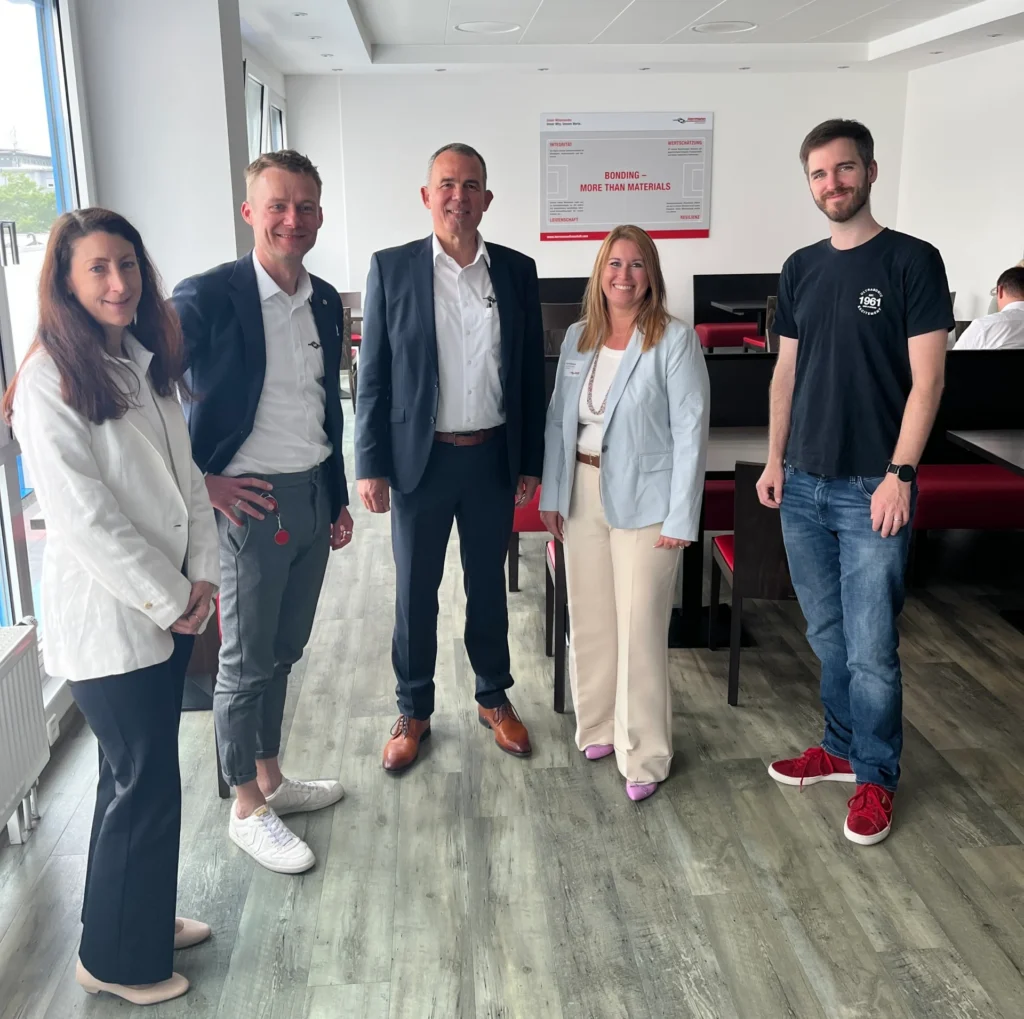
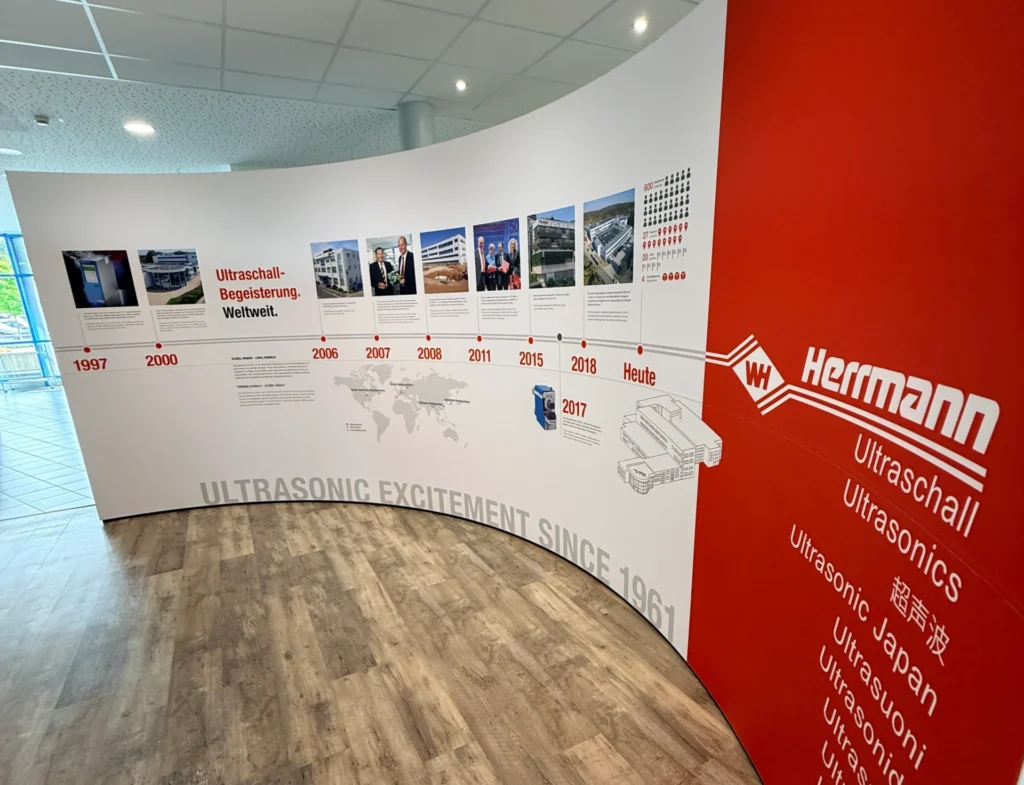
A recent visit to the worldwide headquarters of Herrmann Ultraschall in Karlsbad, Germany gave me a much clearer view of what ultrasonic welding looks like in practice. For months, I had worked remotely with the team through Autumn Consulting on marketing initiatives. I had interviewed many of the sales engineers and written case studies about the applications of ultrasonic welding. But seeing the systems in person made the technology easier to understand, not just as an engineering concept, but as a real answer to the kinds of production challenges manufacturers face every day.
How Herrmann helps manufacturers solve real production challenges
For many manufacturers, packaging teams, and product engineers, the challenge is not just finding a joining technology that works in theory. The real question is whether it will hold up under speed, pressure, consistency demands, and production reality. At Herrmann Ultraschall’s Karlsbad headquarters, I was able to see ultrasonic welding technology in action across a wide range of applications, including plastics, packaging, nonwovens, and metals.
It is one thing to describe ultrasonic welding in a case study. It is another to stand beside the machine, watch the cycle happen, and understand how the technology supports consistency at production speed. What stood out during the visit was not just the equipment itself, but what the technology helps customers accomplish. Manufacturers are under steady pressure to improve seal quality, reduce material waste, maintain consistent results, and keep lines moving. In packaging, those pressures are even more visible. Small inconsistencies can turn into scrap, downtime, weak seals, or product loss.
Seeing Herrmann’s systems up close helped connect the technology to those real-world demands. In food packaging especially, ultrasonic sealing continues to gain traction because it supports consistency and efficiency while helping manufacturers work with modern packaging formats and material requirements. That customer-side value is what made the visit so valuable.
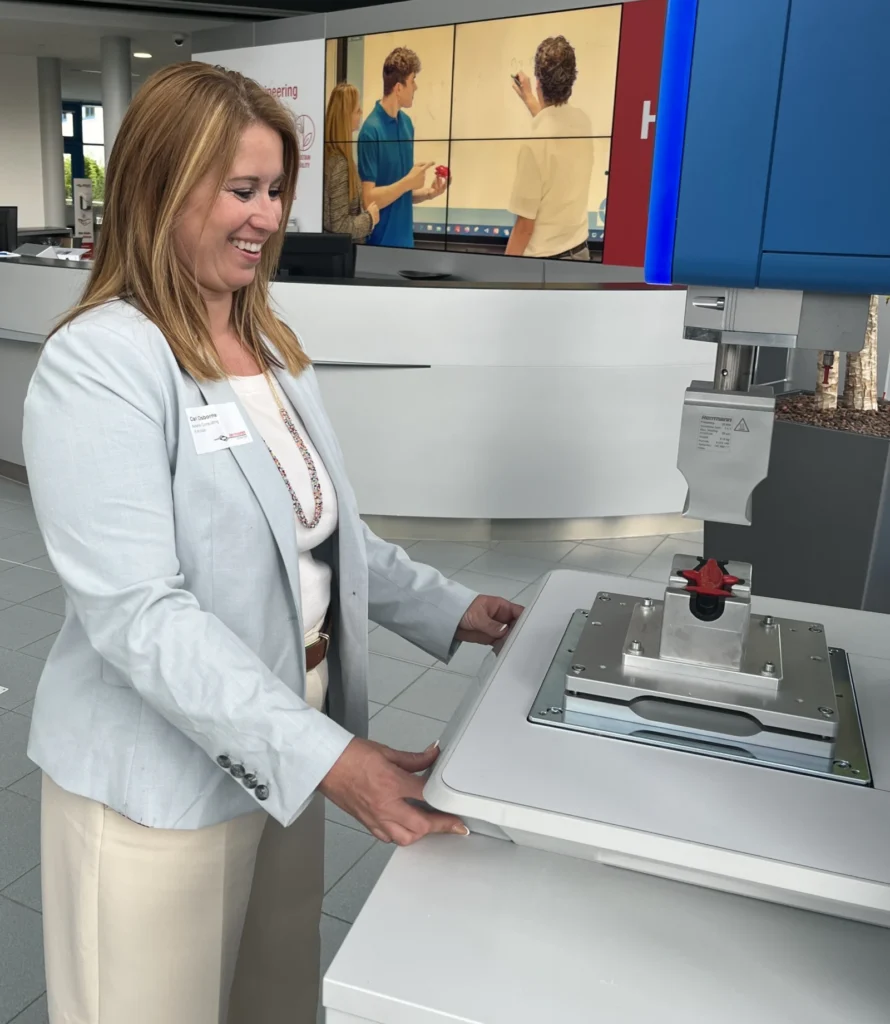
One of the most memorable parts of the visit was the chance to try ultrasonic welding firsthand by creating a small dolphin. It was a simple exercise, but it made the process immediately understandable. In a few moments, something technical became tangible. That hands-on experience showed just how quickly and precisely ultrasonic energy can be used to join materials. For anyone trying to understand why ultrasonic welding matters, that kind of direct experience closes the gap between explanation and understanding.
Each year, Ultrasonic Tech Days brings together customers, partners, and industry professionals at Herrmann’s headquarters in Karlsbad. The event is designed as a hands-on platform to explore ultrasonic welding across a wide range of applications, from plastics and packaging to nonwovens and metals. Rather than focusing only on presentations, it emphasizes direct engagement with the technology, visitors can discuss use cases with experts, observe live demonstrations, and test their own materials on-site. This makes it possible to move quickly from concept to validation, giving participants a clearer understanding of how ultrasonic processes perform in real production scenarios.